


EXPLORE THIS CATEGORY
11 sectionsBrowse subcategories
 Online cash registersView products
в†’
Online cash registersView products
в†’
 Label guns, numberersView products
в†’
Label guns, numberersView products
в†’
 Receipt printersView products
в†’
Receipt printersView products
в†’
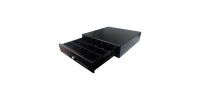 Cash drawersView products
в†’
Cash drawersView products
в†’
 ConsumablesView products
в†’
ConsumablesView products
в†’
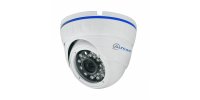 Video surveillanceView products
в†’
Video surveillanceView products
в†’
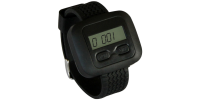 Personnel call systemsView products
в†’
Personnel call systemsView products
в†’
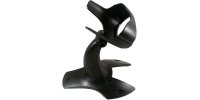 Barcode scannersView products
в†’
Barcode scannersView products
в†’
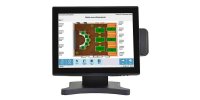 Equipment for automationView products
в†’
Equipment for automationView products
в†’
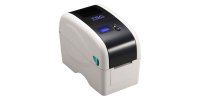 Label printersView products
в†’
Label printersView products
в†’
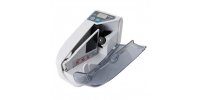 Currency counters and detectorsView products
в†’
Currency counters and detectorsView products
в†’
REAL CATALOG
Automation
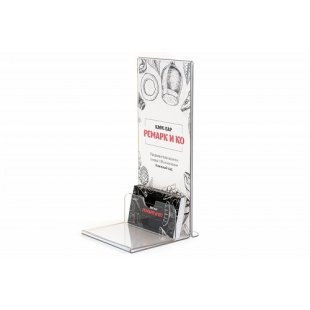
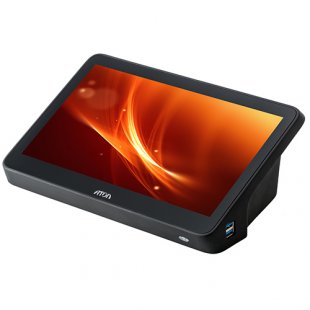
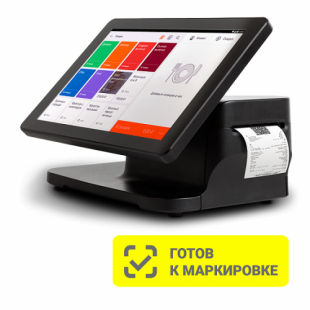
FURNIBUILD CATALOG
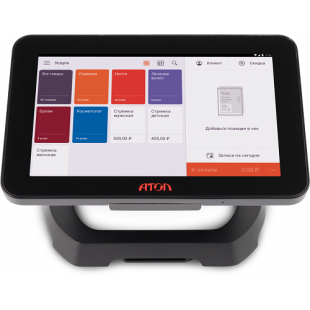
ATOL Sigma 10. Smart terminal. Black. Without FN. Qasl license + contract OFD platform
$1 914
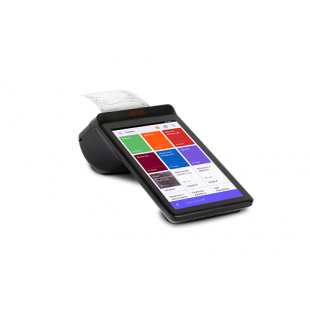
Automation
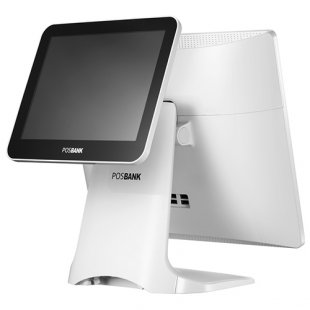
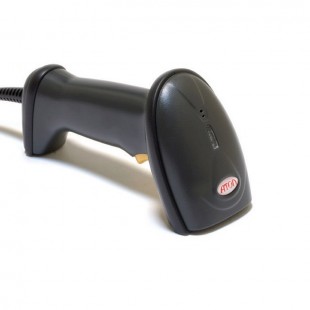
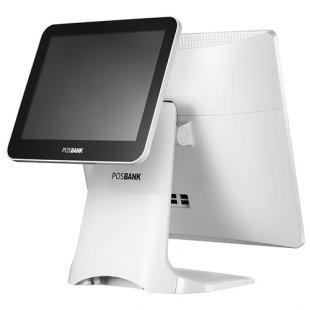
Retail automation equipment brings together the devices used to record sales, identify products, print documents, manage cash and support day-to-day store operations. This category covers point-of-sale hardware for shops, service counters, kiosks, warehouses and other customer-facing retail settings. Core checkout equipment includes online cash registers, receipt printers and cash drawers. Cash registers record transactions, while printers produce receipts and other narrow-format documents. Cash drawers provide organized storage for notes and coins and are commonly connected to a checkout setup.
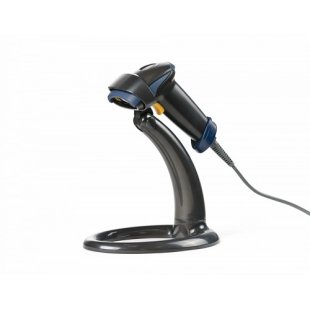
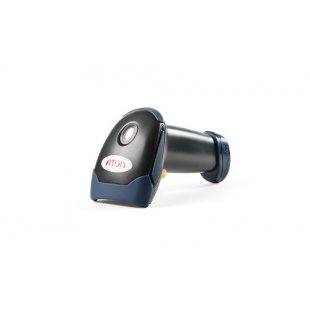
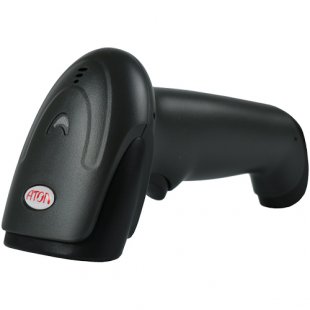
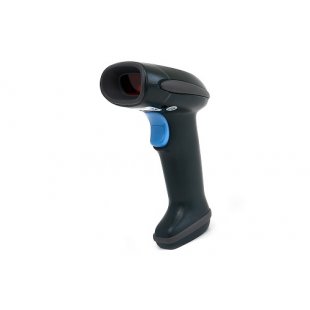
When choosing these items, consider the required interfaces, the way the equipment will be connected, and whether the device is intended for a fixed counter or a more mobile workspace. Barcode scanners speed up product entry by reading printed codes, and scanner stands can help keep a counter organized during frequent use. Label printers, label guns and numberers are used for price marking, product identification, shelf labels and stock-related tasks. Their choice depends on the type of label or marking needed, the amount of information to print and the expected volume of use. Consumables include receipt tape and other regularly replaced supplies; selecting the correct format is important for the relevant printer or device.
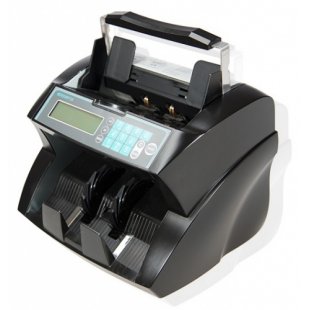
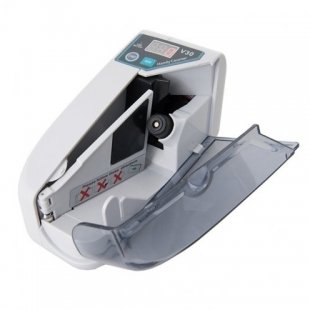
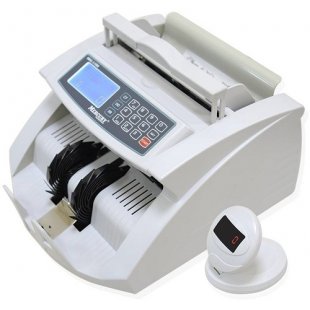
The category also includes currency counters and detectors for cash handling, video surveillance equipment for monitoring retail areas, and personnel call systems for communication between customers and staff. Additional automation equipment may support specialized parts of a retail workflow. A practical setup starts with the tasks that need to be handled—sales, labeling, cash control, monitoring or staff communication—and then matches devices by function, connection options and the existing workplace arrangement.